Definition
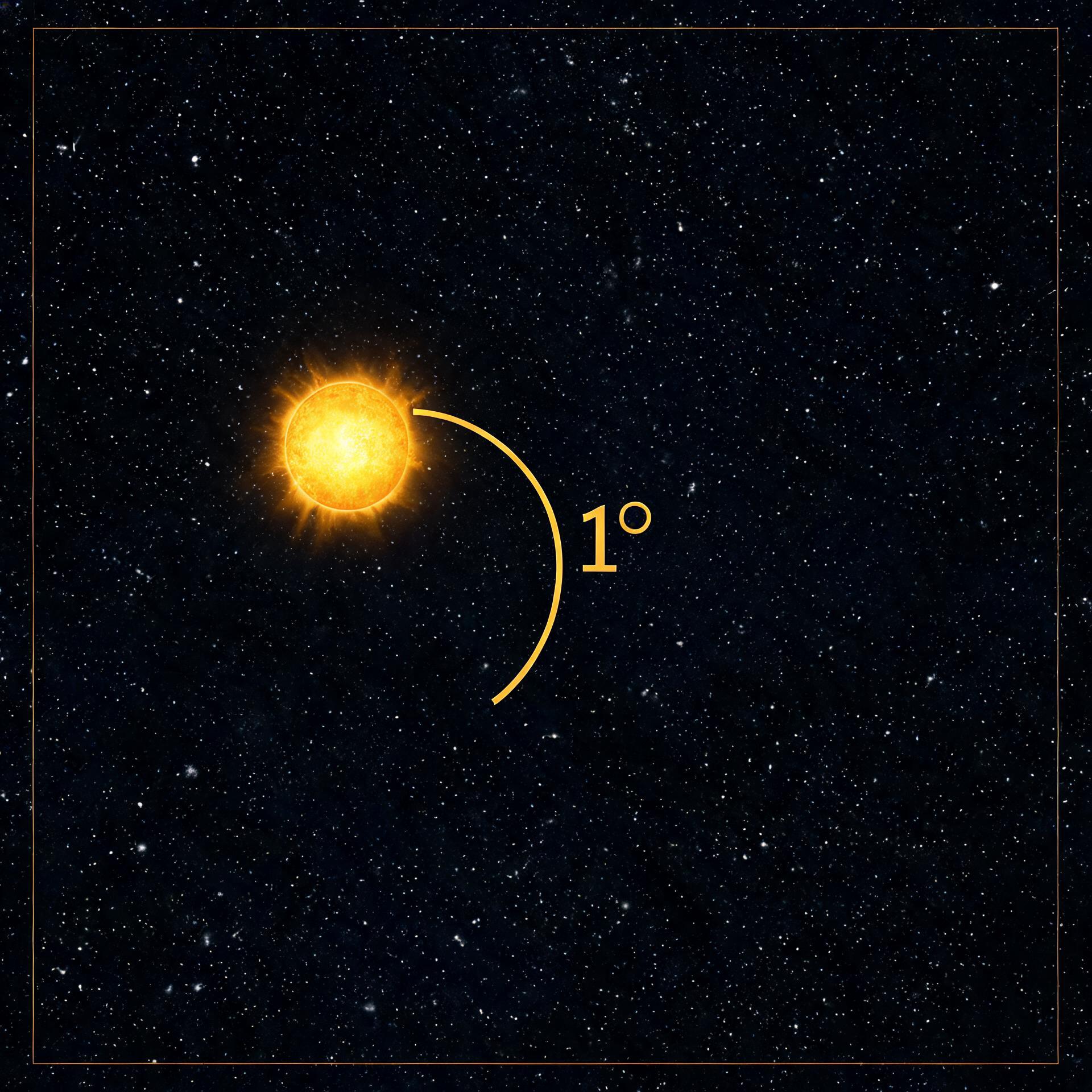
The Solar Arc distance is calculated as: progressed Sun's current position minus natal Sun's position. This value — typically 1 degree per year of life — is added to every natal planet, angle, and sensitive point. The resulting directed points are then compared to the natal chart for aspects. When a Solar Arc directed planet aspects a natal planet within a 1-degree orb, the time window for an event corresponding to that combination is open.
Solar Arc is more event-oriented than secondary progression. While a secondary progression indicates internal readiness (the native is ready to change careers), a Solar Arc aspect correlates with the external event itself (the native actually changes careers). Solar Arc is less dependent on symbolic interpretation than progression because it operates through the natal chart's own structure — the directed planet activates the natal planet's existing function, and the result is a more measurable outcome than progression's subtle readiness signals.
The 1-degree orb rule is critical in Solar Arc. When a directed planet is within 0.5-1 degree of an exact aspect to a natal point, the window is at its most intense. As the distance grows beyond 1 degree, the window closes — the event, if it did not occur, is likely no longer available through that specific activation. This makes Solar Arc more precise for timing than the broader windows used in transit and progression work.
⚡ vs Transit
Transits describe external conditions — planets in the current sky activating the natal chart. Solar Arc describes the native's directed matrix — the entire chart advancing at the same rate. A transit to the natal Venus may last several weeks (Venus passing through aspect to natal Venus). A Solar Arc Venus aspect to natal Venus lasts approximately one year (the arc advancing 1 degree per year, with 1 degree of orb). Transits are contextual — they describe what the environment is offering. Solar Arc is directional — it describes what the native is ready to manifest.
🔑 Key Points
📖 How to Read
Calculate the Solar Arc distance: (progressed Sun longitude - natal Sun longitude). Add this value to every planet, house cusp, and sensitive point. Compare the directed positions to the natal chart. Any directed point within 1 degree of an aspect to a natal point indicates an active timing window. The most powerful activations are directed ASC to a natal planet (identity shift) and directed MC to a natal planet (career event). Directed planets to the natal ASC or MC are equally significant. Track the exact date when the directed point reaches the exact degree — the event window centers on this date, with the native experiencing heightened activity in the relevant domain for approximately 2-4 weeks.
❓ FAQ
What is the difference between Solar Arc and secondary progression?
Secondary progression moves each planet at its own rate (progressed Moon moves much faster than progressed Sun). Solar Arc moves everything by the same distance. Progression indicates internal readiness. Solar Arc indicates external manifestation. They are complementary methods: progression shows what the native is ready for internally; Solar Arc shows when that readiness can manifest as an event.
Does Solar Arc work for every planet?
Solar Arc works for all planets, but the outer planets (Uranus, Neptune, Pluto) move so slowly that their Solar Arc aspects are rare and significant. A Solar Arc Pluto aspect occurs only once or twice in a lifetime. The most practical Solar Arc work uses the personal planets (Sun through Mars), the angles, and the lunar nodes.